What is VAT in the UK? Simple Guide for Beginners (2026)
What is VAT in the UK?
VAT stands for Value Added Tax. It is a type of tax that is added to the price of goods and services in the UK.
In simple words, VAT is a tax you pay when you buy something. For example, when you buy clothes, electronics, or pay for a service, VAT is usually included in the price.
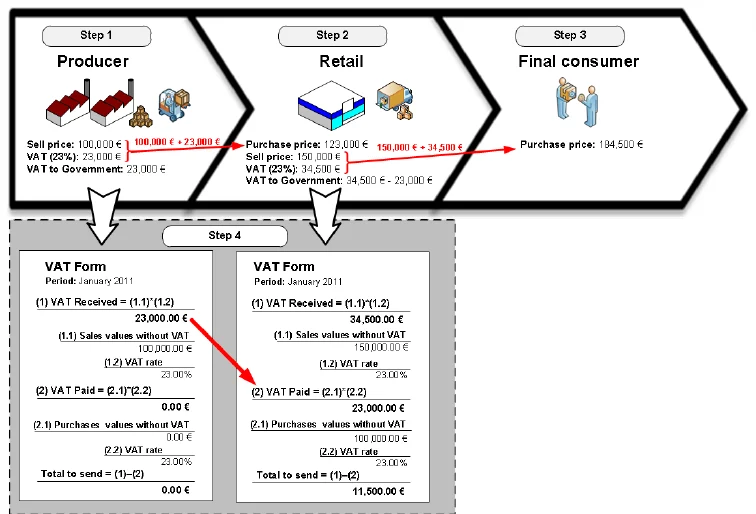
The term value added means the tax is adds at each stage of production and sale. This means VAT is not only applied at the final sale but also during earlier stages.
For example, a manufacturer creates a product and sells it to a shop. VAT is added at that stage. Then the shop sells the product to the customer and adds VAT again.
However, businesses can claim back the VAT they paid earlier. So, in the end, the final cost of VAT is pay by the customer.
This is why you usually do not notice VAT separately. It is already included in the price you see in shops.
The UK VAT system is managed by HMRC (the tax authority). Businesses collect VAT from customers and send it to the government.
So when people say VAT UK explained, they are simply talking about how this tax is adds, collect, and managed.
If you want to quickly calculate VAT, you can use an online VAT calculator to add or remove VAT in seconds.
How VAT Works
To understand how VAT works, let’s break it into simple steps.
First, a business sells a product or service. If the business is registered for VAT, it must add VAT to the price. This step is called charging VAT. Second, the customer pays the total price, including VAT. The business keeps the VAT amount separate from its own earnings. Third, the business sends this VAT to HMRC through regular VAT returns.
Let’s look at a simple example:
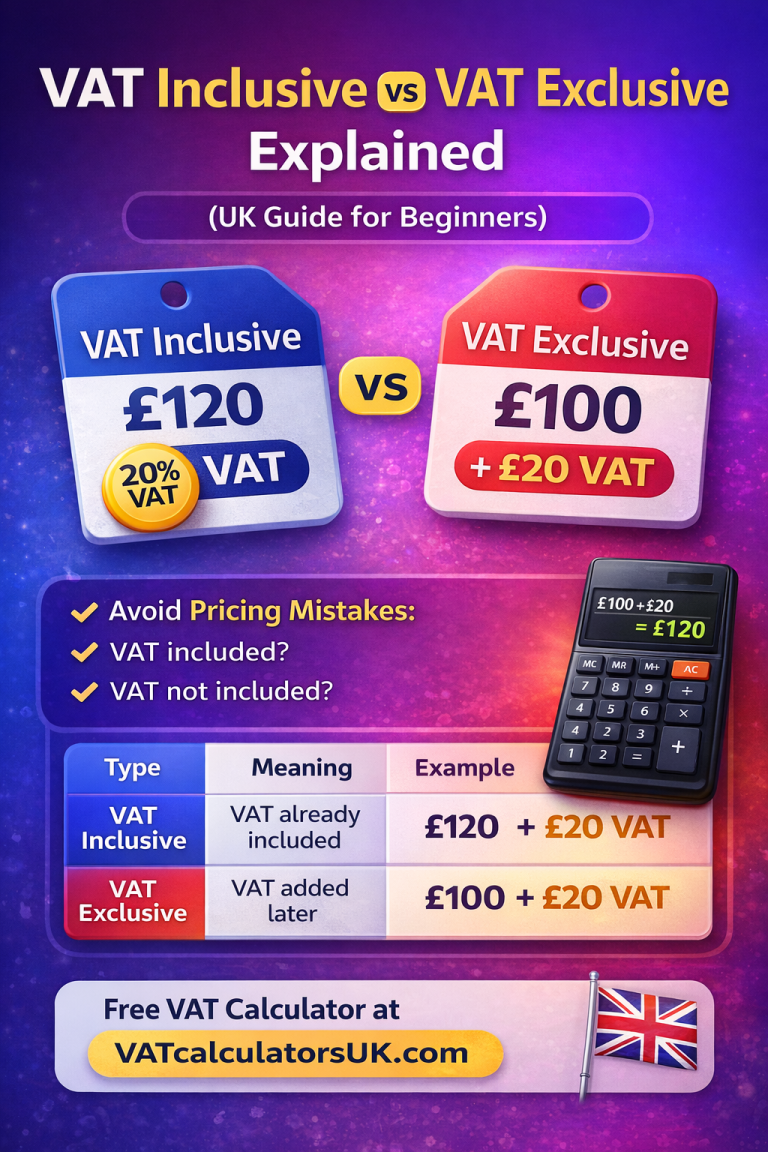
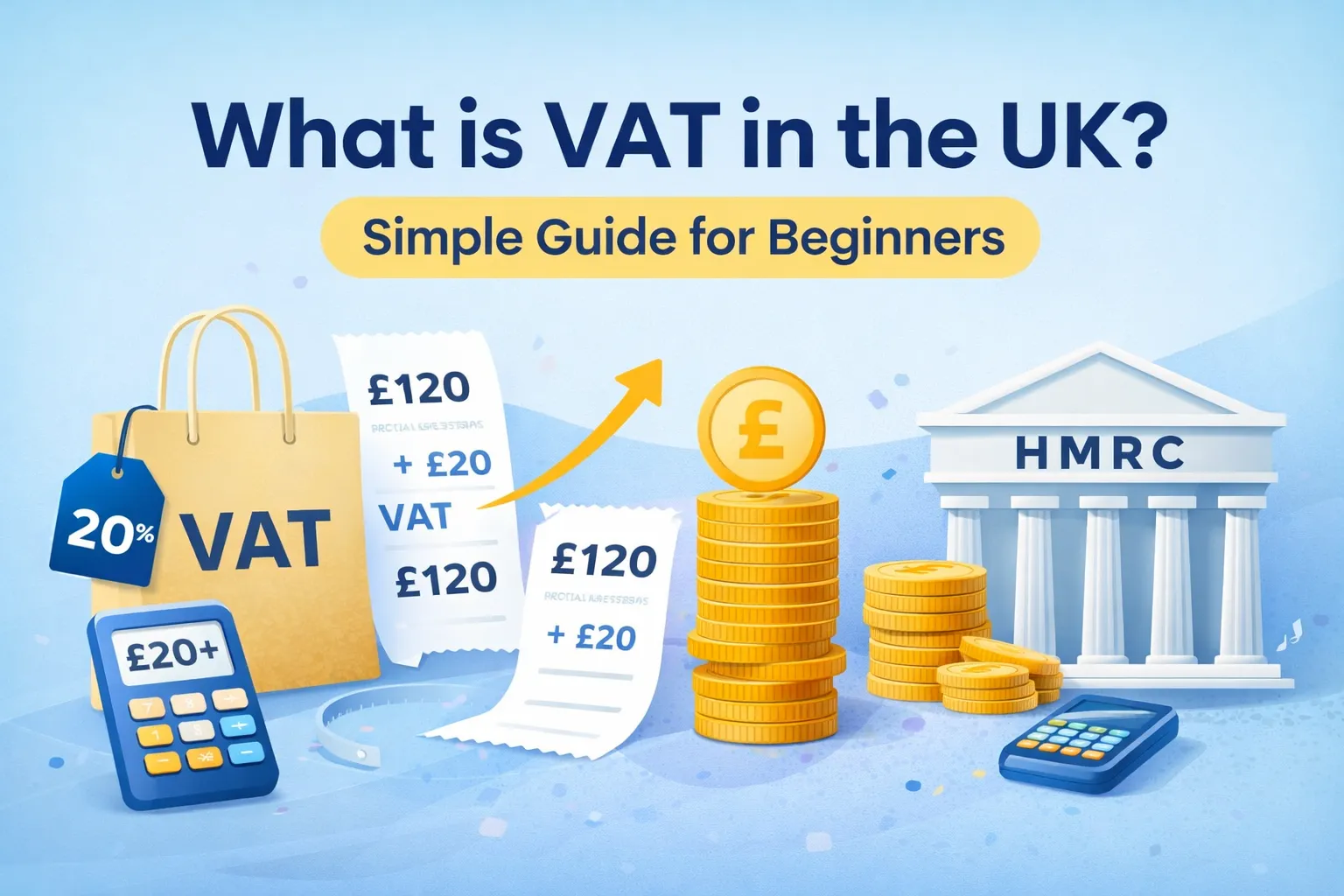
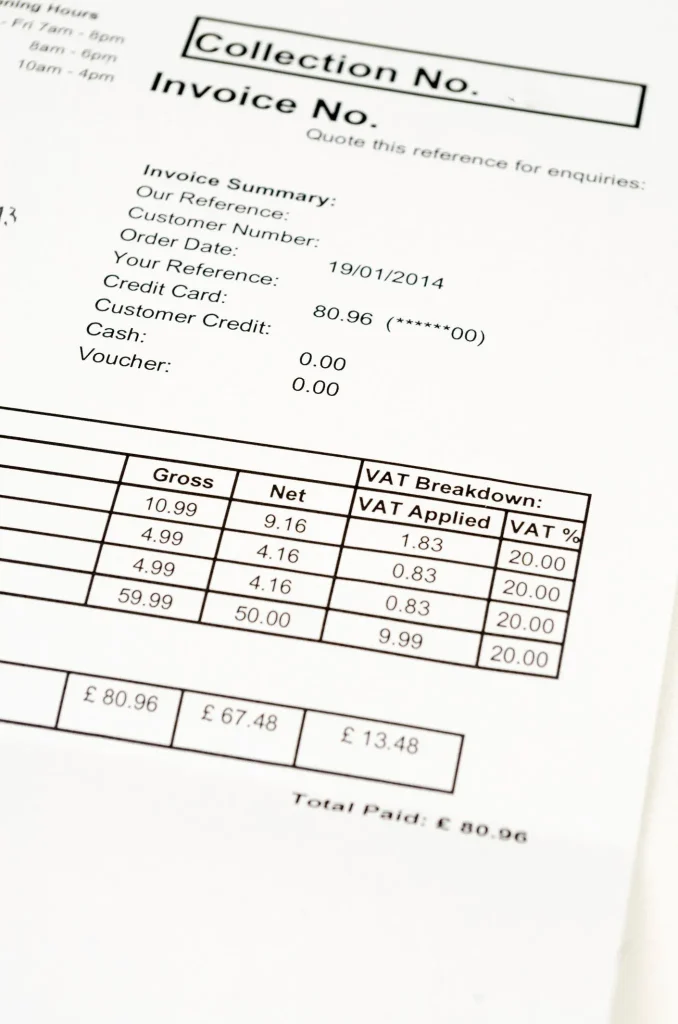
Imagine a shop sells a product for £100. If VAT is 20%, the VAT amount is £20. So, the customer pays £120 in total.
The shop does not keep the £20 as profit. Instead, it collects this amount and later pays it to the government.
Now let’s take a slightly deeper example.
A manufacturer sells a product to a retailer for £50 + VAT. The retailer then sells it to a customer for £100 + VAT. The retailer pays VAT when buying and collects VAT when selling. It only pays the difference to HMRC, not the full amount. This system ensures that VAT is collected at each stage, but the final customer pays it completely. This is how VAT works in the UK in a simple and practical way.
If you need to remove VAT from a total price, you can check our VAT backwards guide.
VAT Rates in the UK
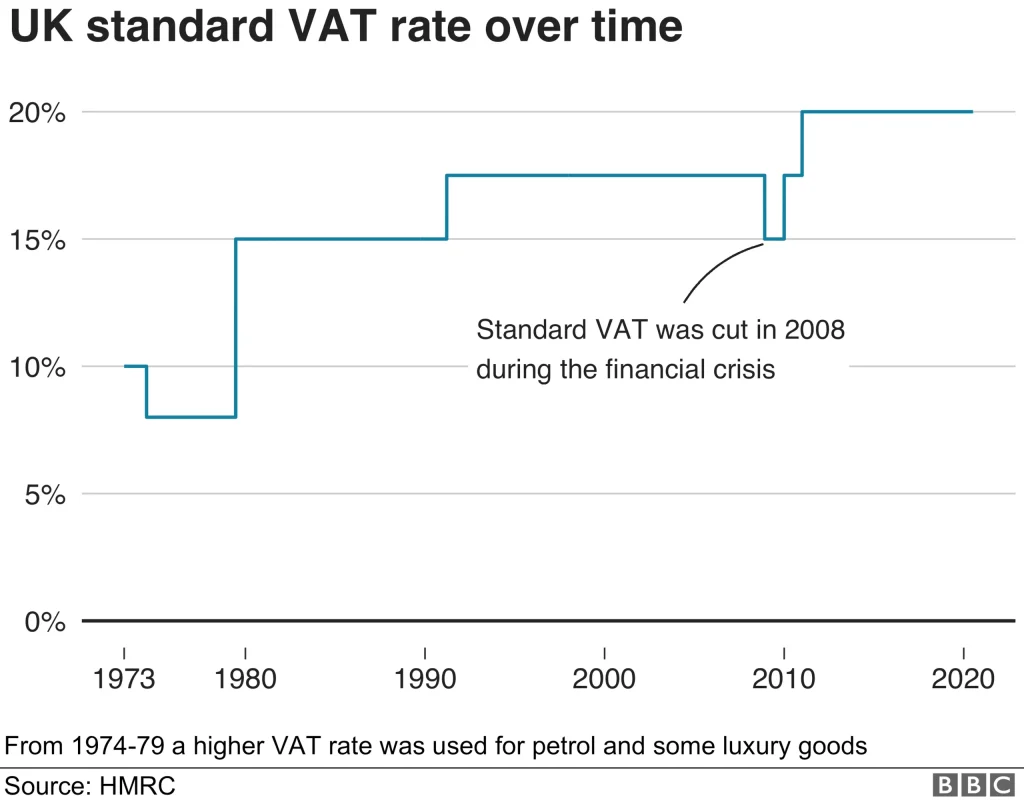
VAT in the UK is not always the same. Different goods and services have different VAT rates.
Standard Rate (20%)
This is the most common VAT rate. It applies to most goods and services in the UK.
Examples include:
- Electronics
- Clothing for adults
- Restaurant meals
- Professional services
If you buy something expensive, it usually falls under this rate.
Reduced Rate (5%)
The reduced rate is lower and applies to specific items.
Examples include:
- Home energy (gas and electricity)
- Children’s car seats
This rate is used to make essential items more affordable.
Zero Rate (0%)
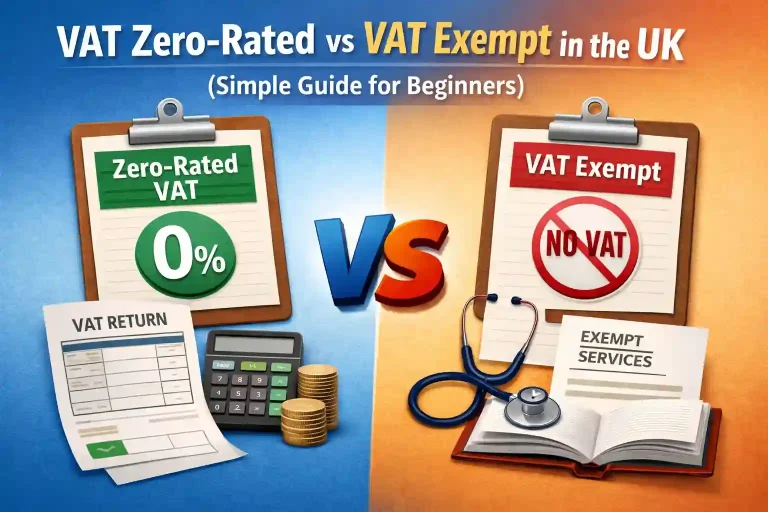
Some goods have a 0% VAT rate. This means no VAT is adds, but they are still part of the VAT system.
Examples include:
- Most food items
- Books and newspapers
- Children’s clothing
Even though VAT is 0%, businesses must still record these sales.
Understanding these rates helps you know why some items are cheaper than others. Not all products are taxed the same way. To better understand pricing, you can also read our VAT inclusive vs exclusive guide.
VAT Example
Let’s look at simple examples to understand VAT better.
| Price | VAT Rate | VAT Amount | Total Price |
|---|---|---|---|
| £100 | 20% | £20 | £120 |
| £60 | 20% | £12 | £72 |
| £200 | 5% | £10 | £210 |
| £80 | 5% | £4 | £84 |
| £40 | 0% | £0 | £40 |
In the first example, VAT is 20%, so £20 is added to £100.
In the second example, VAT is again 20%, but the price is lower, so the VAT amount is smaller.
In the third example, the reduced rate of 5% is used, so VAT is much lower.
In the last example, VAT is 0%, so the price stays the same.
These examples show how VAT changes depending on the rate applied.
If you want to calculate VAT instantly, you can use a VAT calculator for quick and accurate results.
Who Needs to Pay VAT?
In simple terms, customers pay VAT when they buy goods or services. Whenever you shop, eat out, or hire a service, VAT is included in what you pay.
Businesses also deal with VAT, but in a different way. They collect VAT from customers and pass it to the government. This means businesses act as a bridge between customers and the government. Even though businesses handle VAT, the final cost is pay by the customer.
Who Needs to Register for VAT?
Not every business needs to register for VAT. Only businesses that earn above a certain amount must register. This amount is called the VAT threshold.
If a business earns more than around £90,000 per year, it must register for VAT.
Once registered, the business must:
- Charge VAT on sales
- Keep proper records
- Submit VAT returns
Businesses below the threshold do not have to register. However, they can choose to register voluntarily. Some businesses do this to look more professional or to claim VAT on expenses.
Understanding this is very important for small business owners in the UK.
VAT vs Sales Tax
VAT is often compared to sales tax, but they are not the same. Sales tax is added only at the final sale. The customer pays it once when buying a product.
VAT is different because it is added at multiple stages.
For example, VAT is applied when a product is made, sold to a shop, and sold to a customer.
However, businesses can claim back VAT they pay earlier. So the final burden falls on the customer.
In simple terms, sales tax business charges once, while VAT is collect throughout the process.
Common VAT Mistakes
Many beginners make simple mistakes when dealing with VAT.
One common mistake is thinking VAT is always adds separately. In many cases, it is already included in the price.
Another mistake is using the wrong VAT rate. Some items should be taxed at 5% or 0%, but people apply 20% by mistake.
Some businesses forget to register for VAT when they cross the threshold. This can lead to penalties.
Another mistake is incorrect calculations. Many people try to calculate VAT manually and make errors.
Using tools and understanding the basics can help avoid these mistakes.
FAQs
What is VAT in the UK in simple words?
VAT (Value Added Tax) is a tax added to the price of most goods and services in the UK. When you buy something, part of the money you pay goes to the government as tax. It is usually already included in the price, so you may not always notice it.
How does VAT work in the UK?
VAT works by adding a percentage to the price of goods or services. Businesses collect this VAT from customers and then send it to HMRC. The final cost of VAT is pay by the customer, not the business.
What is the current VAT rate in the UK?
The standard VAT rate in the UK is 20%. There is also a reduced rate of 5% for some items like home energy, and a 0% rate for essentials like most food and children’s clothing.
Who pays VAT in the UK?
Customers pay VAT when they buy goods or services. Businesses collect the VAT and pass it to the government. So even though businesses handle VAT, the cost is included in what customers pay.
Do all businesses need to register for VAT?
No, not all businesses need to register. A business only needs to register for VAT if its yearly income goes above the VAT threshold (around £90,000). Small businesses below this limit can choose whether to register or not.
What is the difference between VAT and sales tax?
VAT is added at different stages of production and sale, while sales tax is only added at the final purchase. In both cases, the customer pays the tax, but the system works differently.
Can I calculate VAT myself?
Yes, you can calculate VAT using simple formulas, but it can sometimes be confusing. Many people prefer using a VAT calculator to get quick and accurate results without mistakes.
Why is VAT important in the UK?
VAT is an important source of income for the government. It helps fund public services like healthcare, education, and infrastructure. It also affects how businesses set their prices.
Conclusion
Understanding what is VAT in the UK is very important for both customers an businesses. At first, VAT may seem confusing. But once you understand that it is simply a tax added to goods and services, everything becomes clearer.
You now know how VAT works, the different rates, and how it is calculated. You also understand who pays VAT and when businesses need to register. With this knowledge, you can avoid common mistakes and make better decisions. Take your time, use examples, and practice when needed. Over time, VAT will feel simple and easy to understand.